Robert Hamilton (1917-2004)
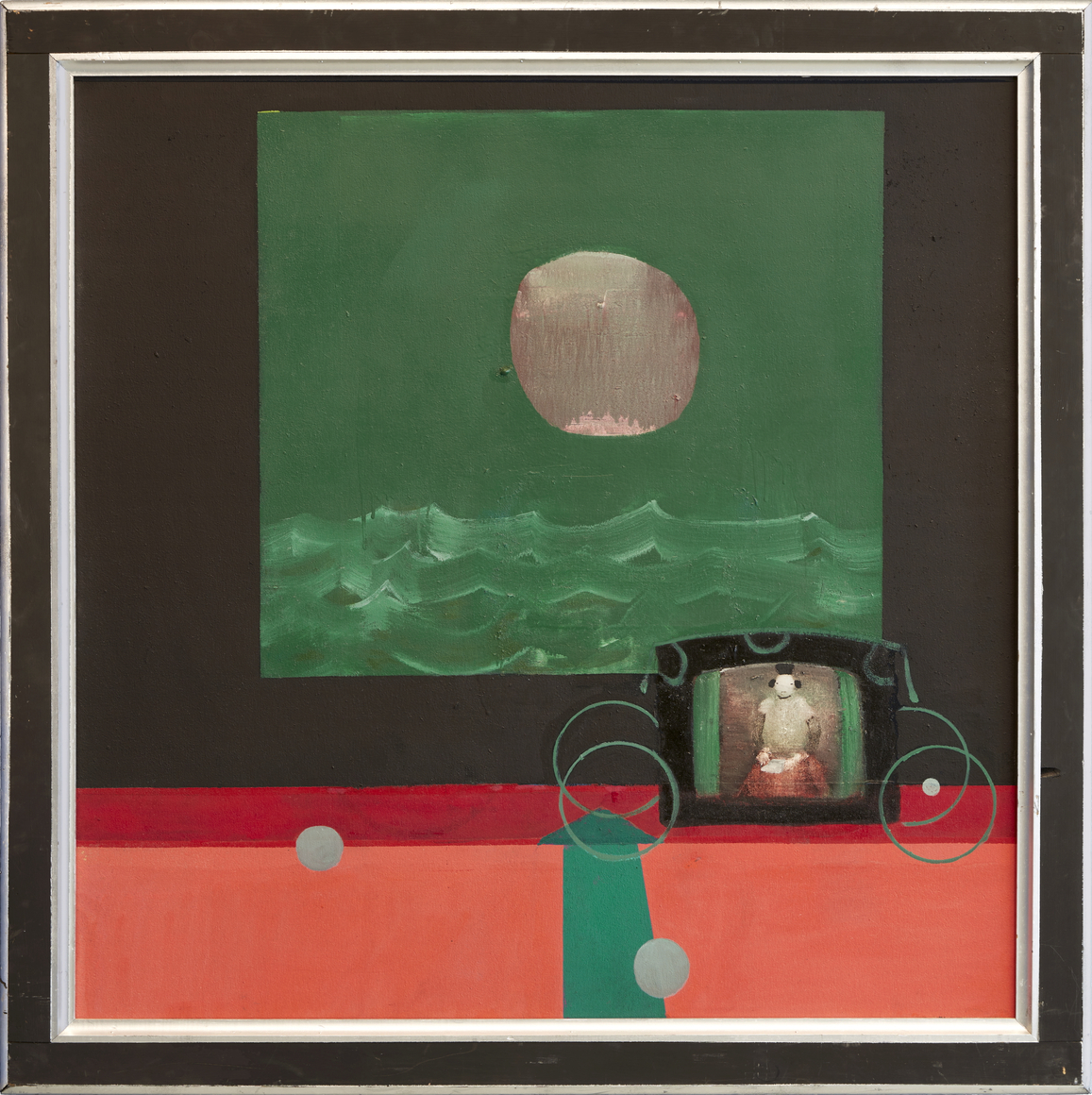
Paper Moon, 1992
Oil on board
39" x 39"
SOLD
Robert Hamilton (1917-2004)
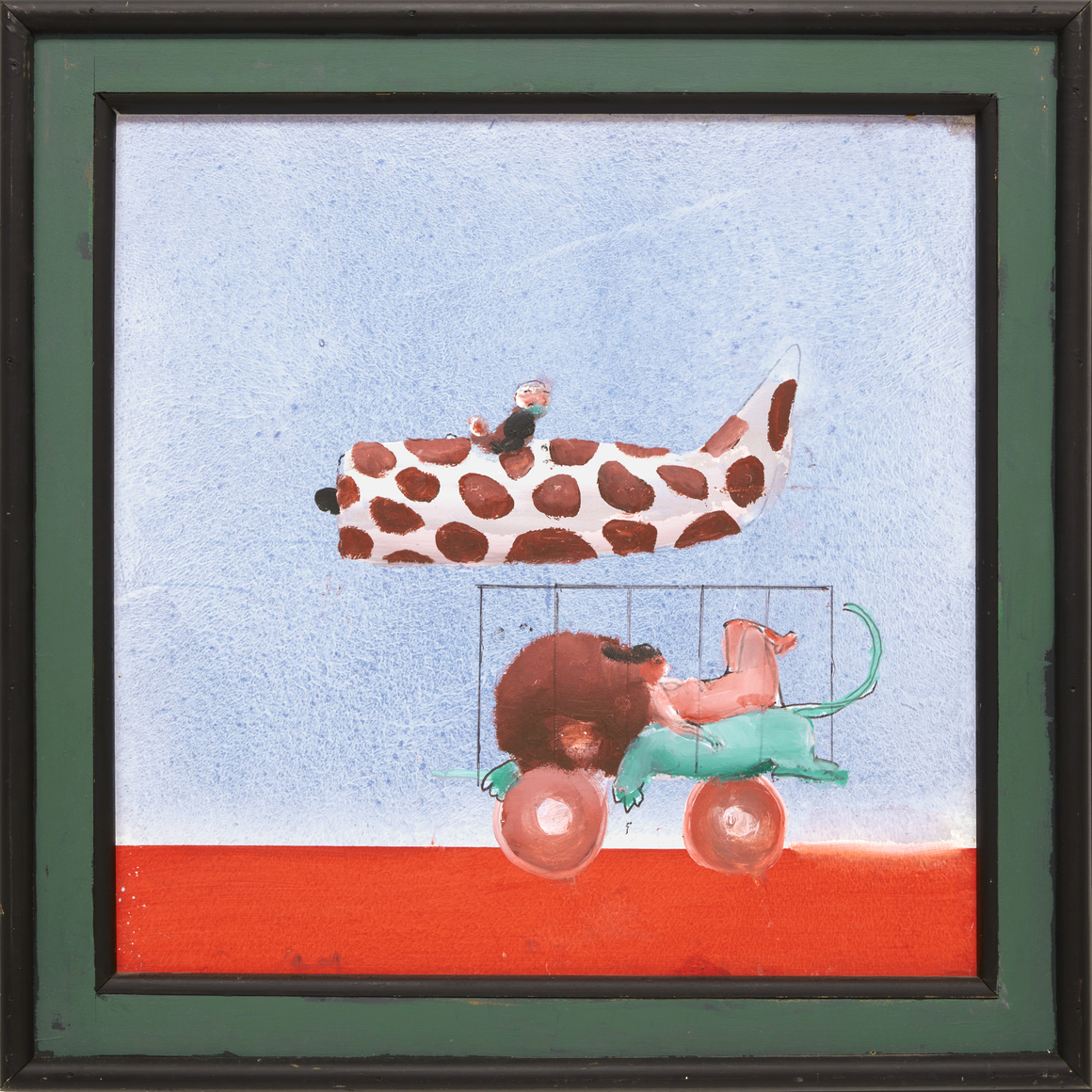
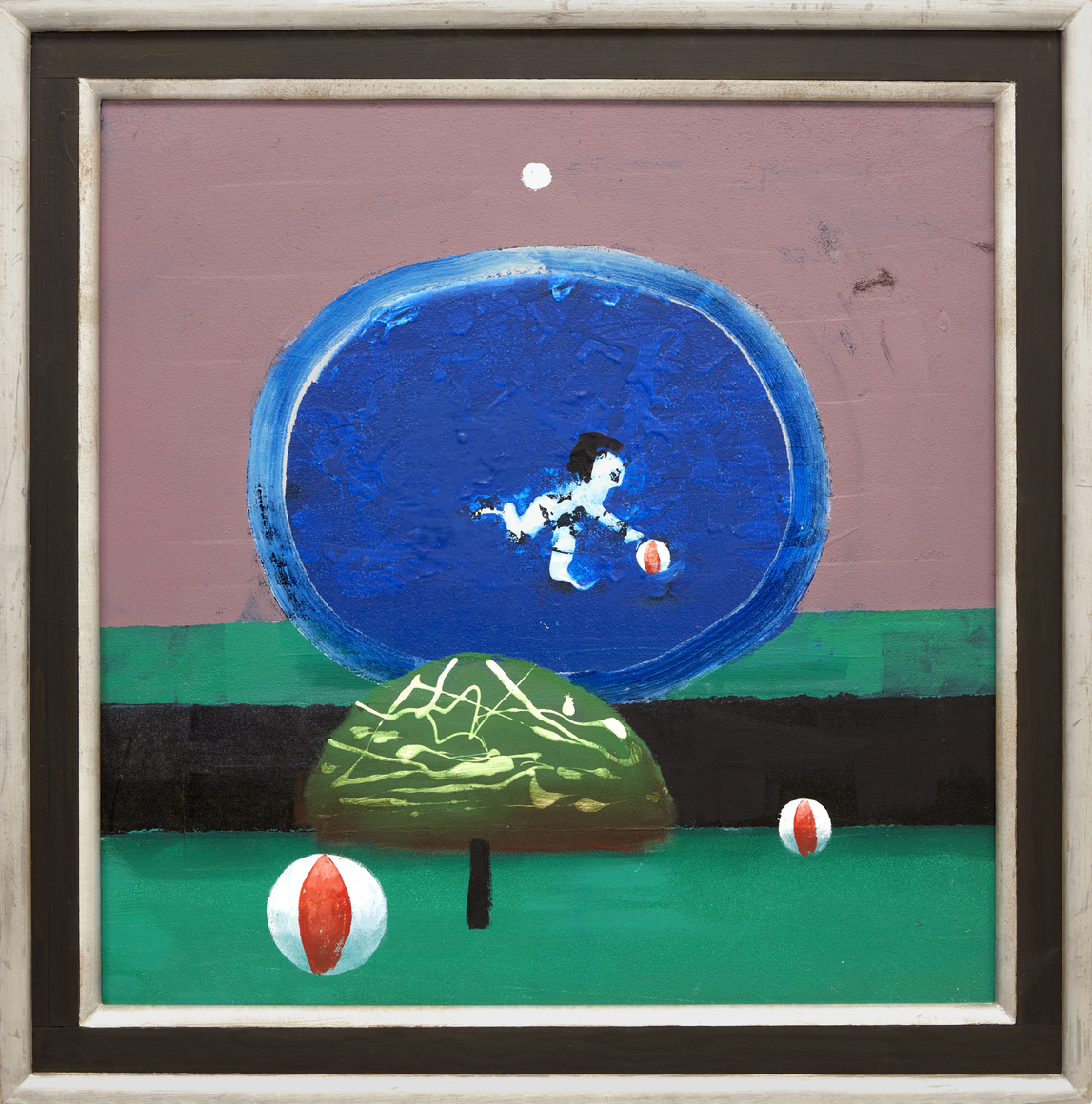
Come Back Little Nemo, 2000
Oil on masonite
24" x 24"
SOLD
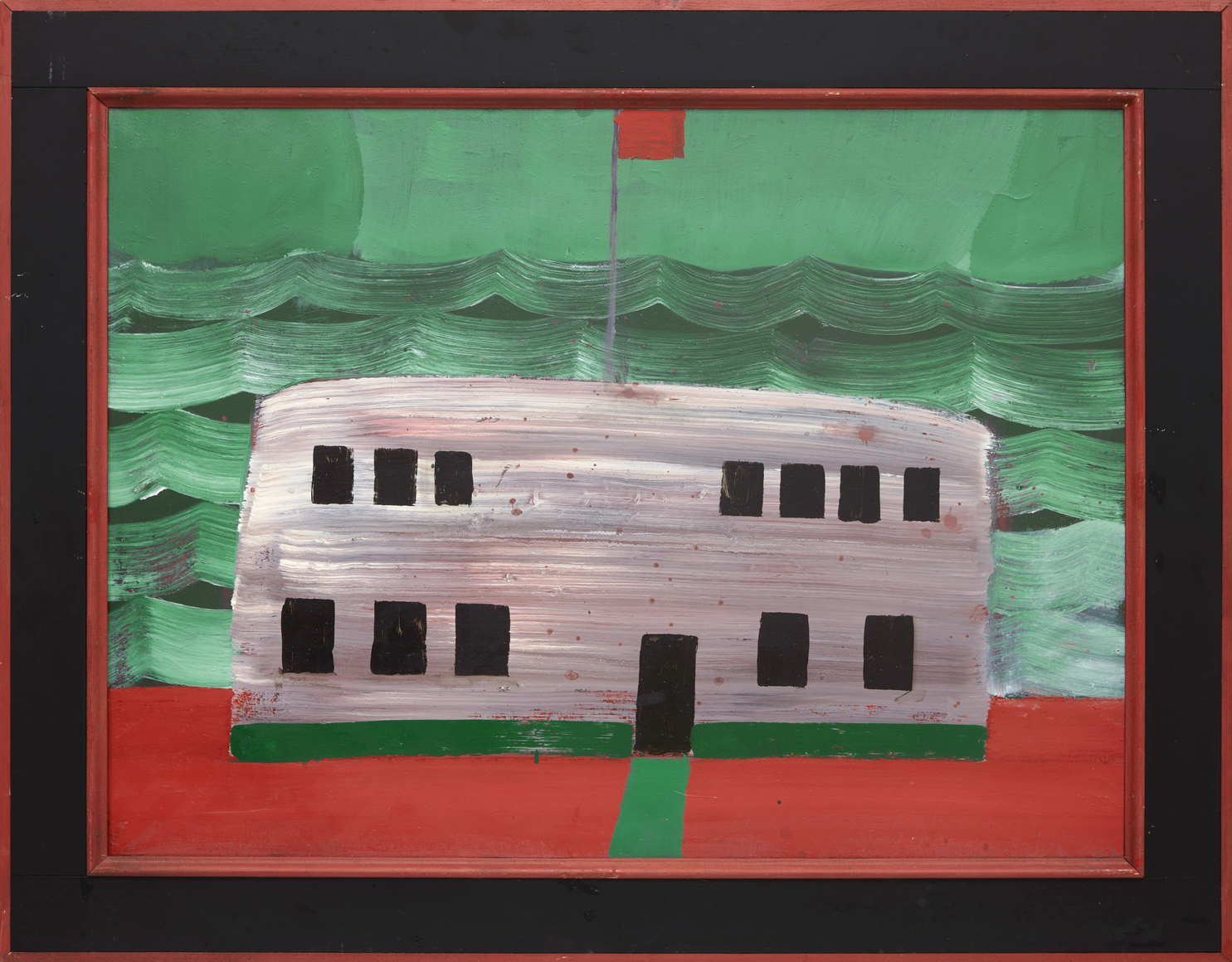
Robert Hamilton (1917-2004)
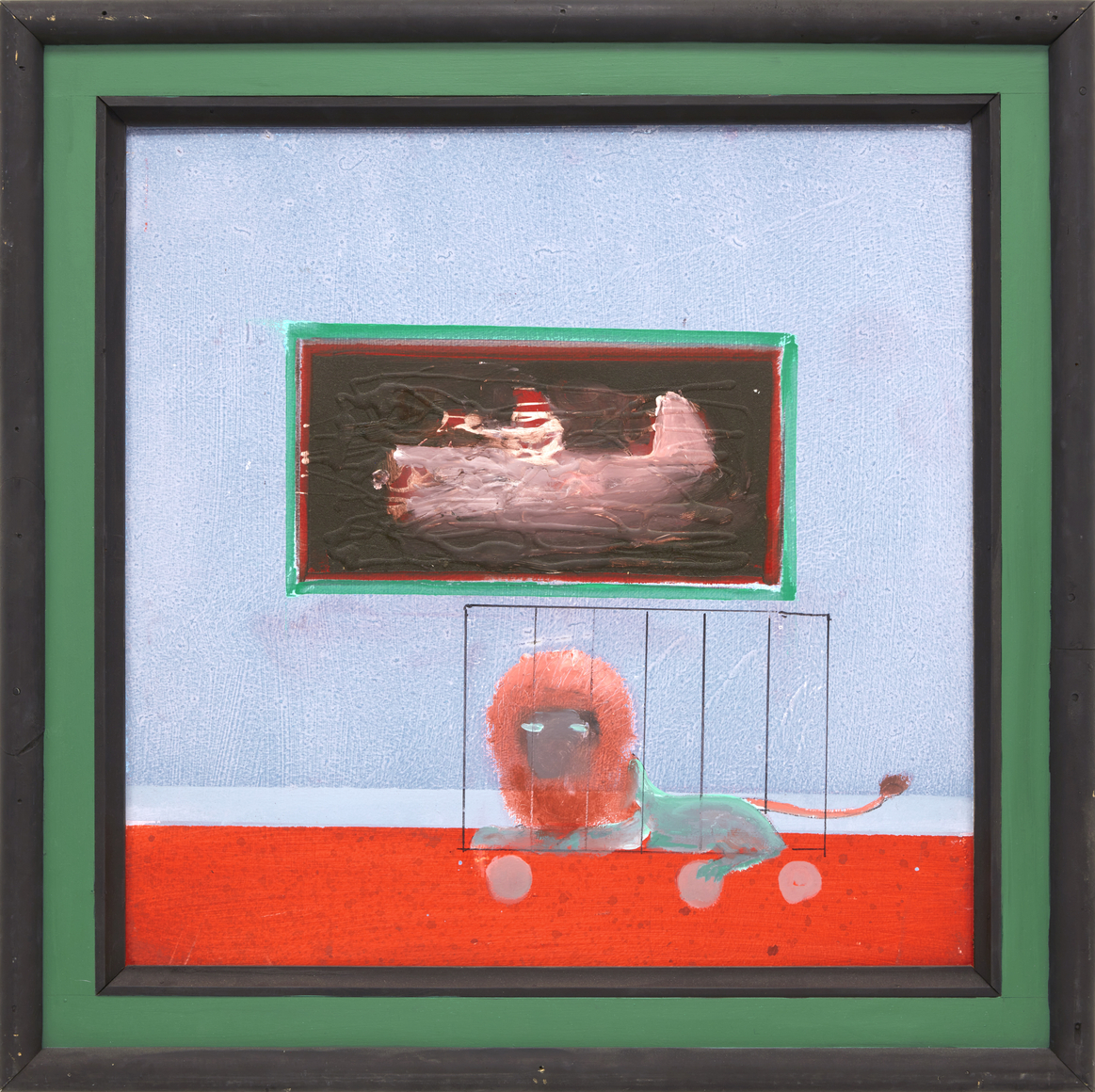
Your Average Hero at the Stick, 1999
Oil on masonite
24" x 23-1/4"
Robert Hamilton (1917-2004)
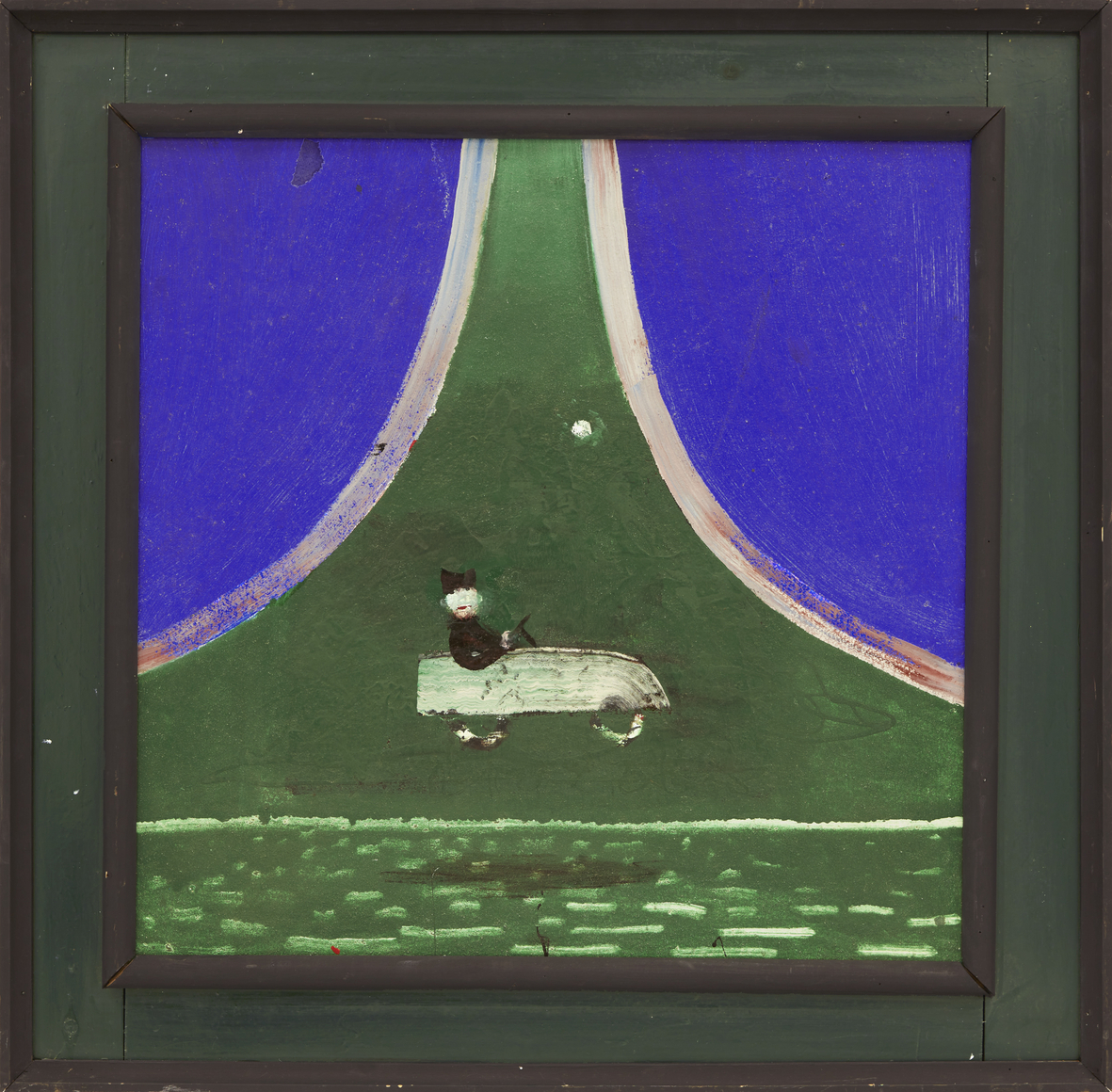
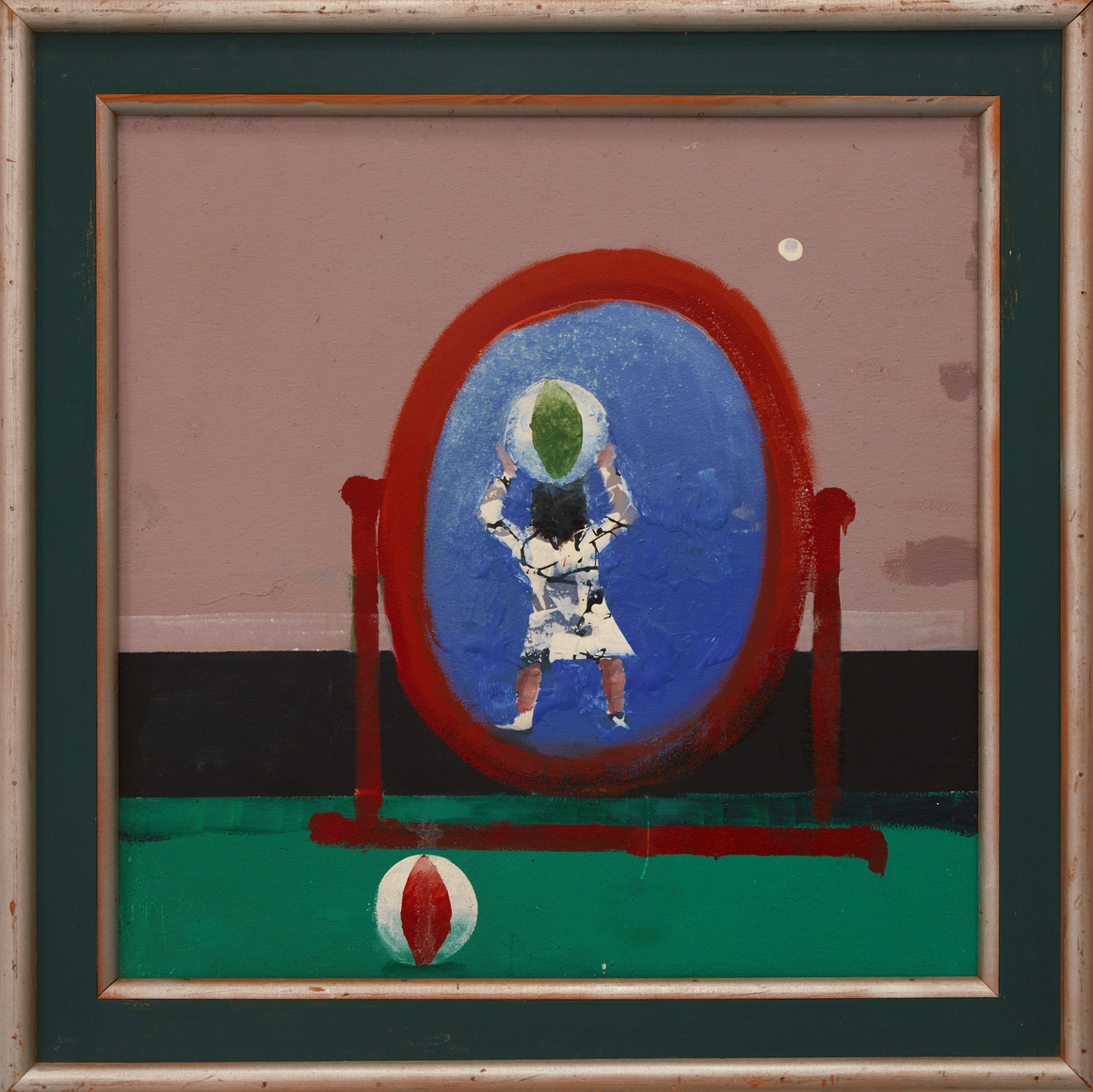
Portrait of the Artist, 1994
Oil on masonite
24" x 24"
SOLD
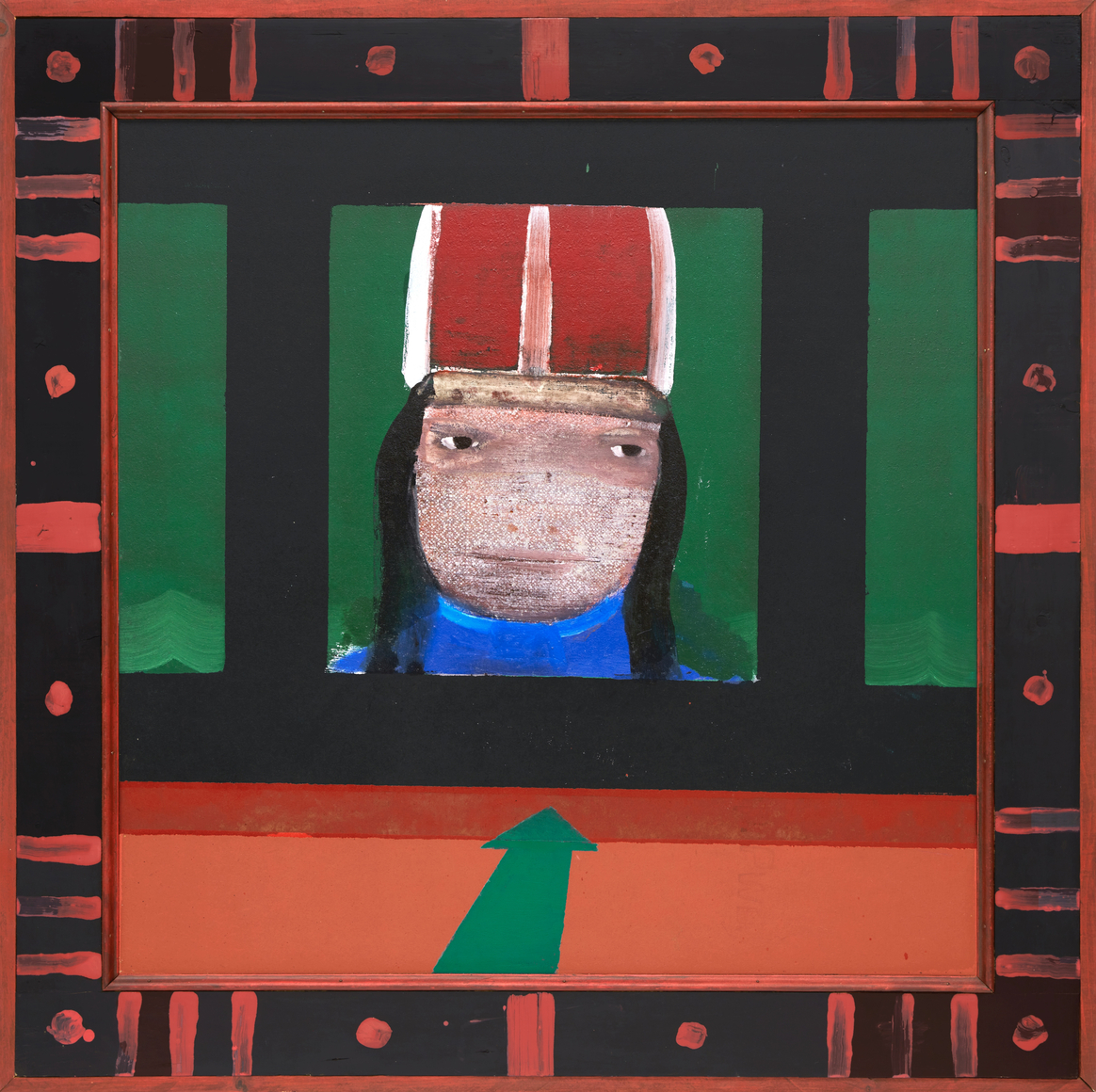
Robert Hamilton (1917-2004)
Vicky in Red Helmet
Oil on masonite
40" x 40"
SOLD
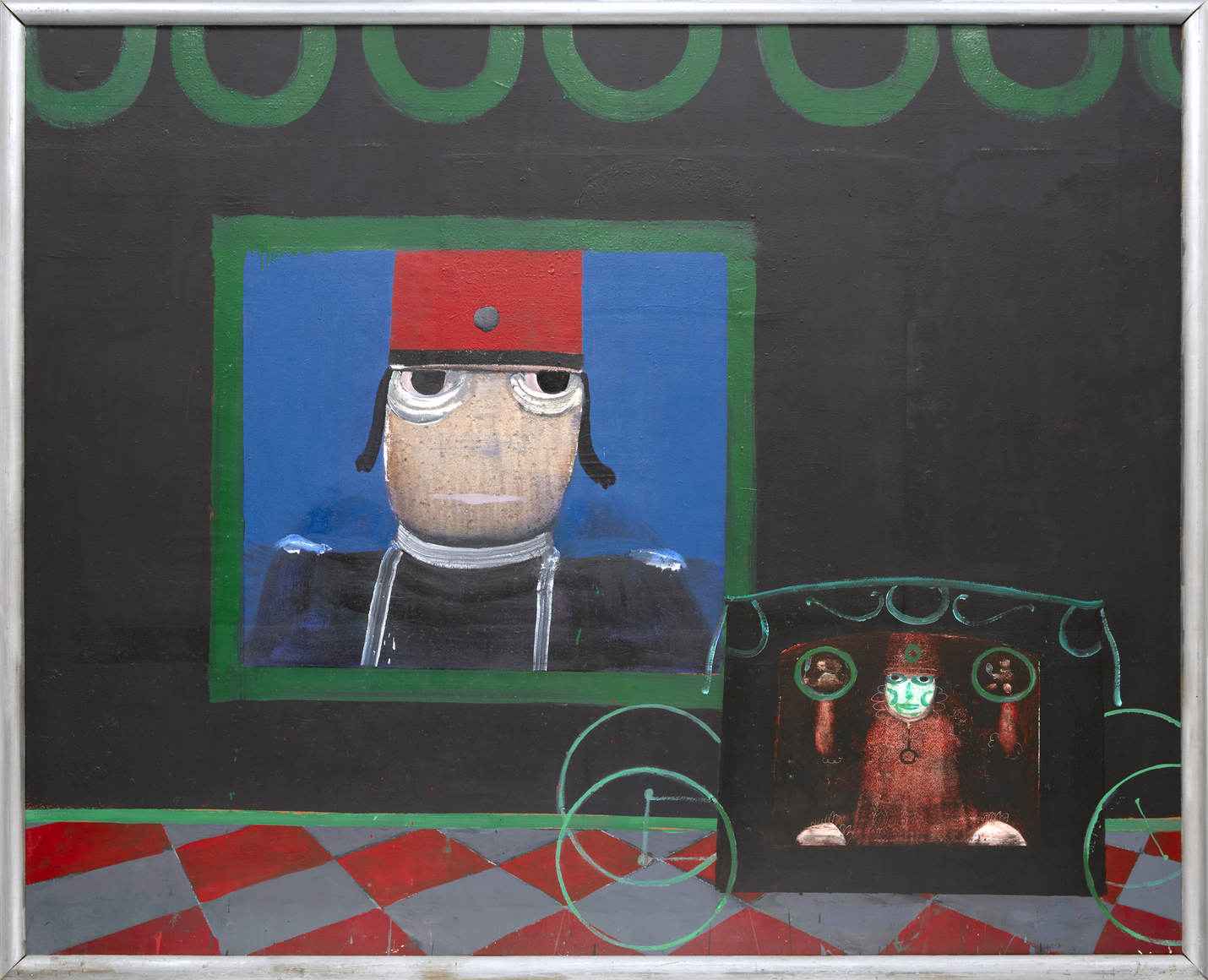
Robert Hamilton (1917-2004)
Big Eyes and Red Fez
Oil on canvas
57" x 70-3/4"
Robert Hamilton (1917-2004)
Dream '44, 1991
Oil on canvas
29" x 39 1/4"
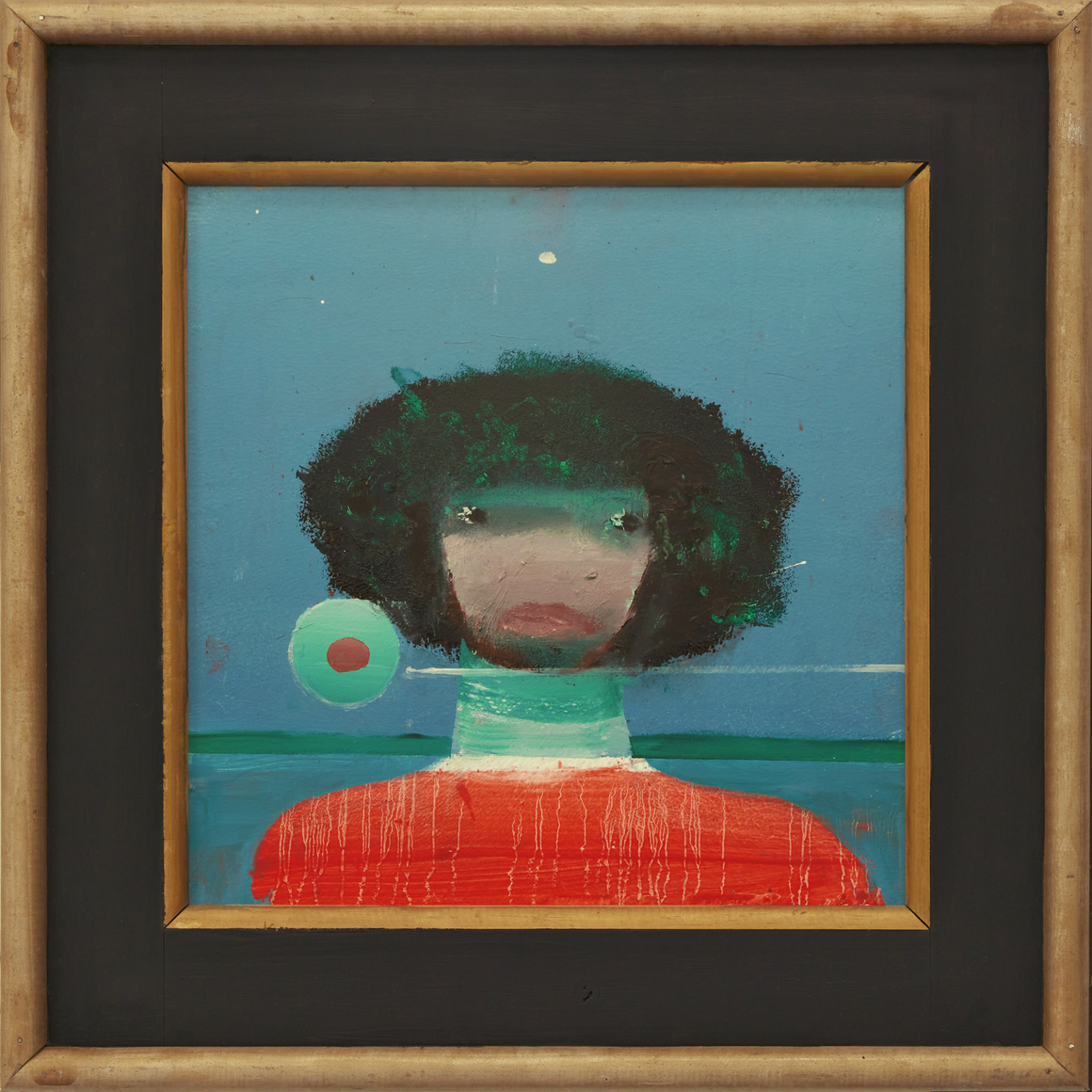
Robert Hamilton (1917-2004)
Pretty in Pink
Oil on board
16" x 16"
SOLD
Robert Hamilton (1917-2004)
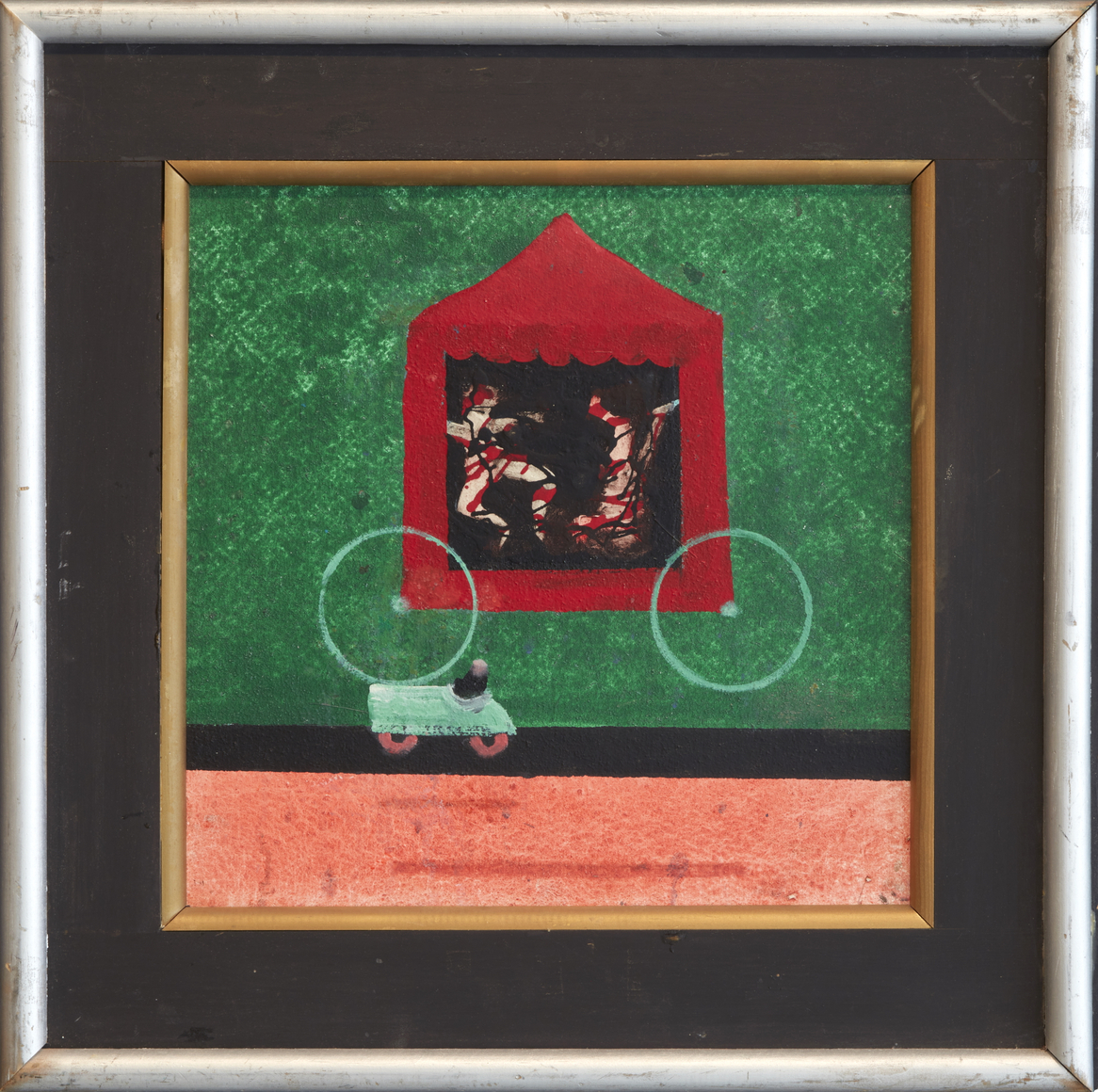
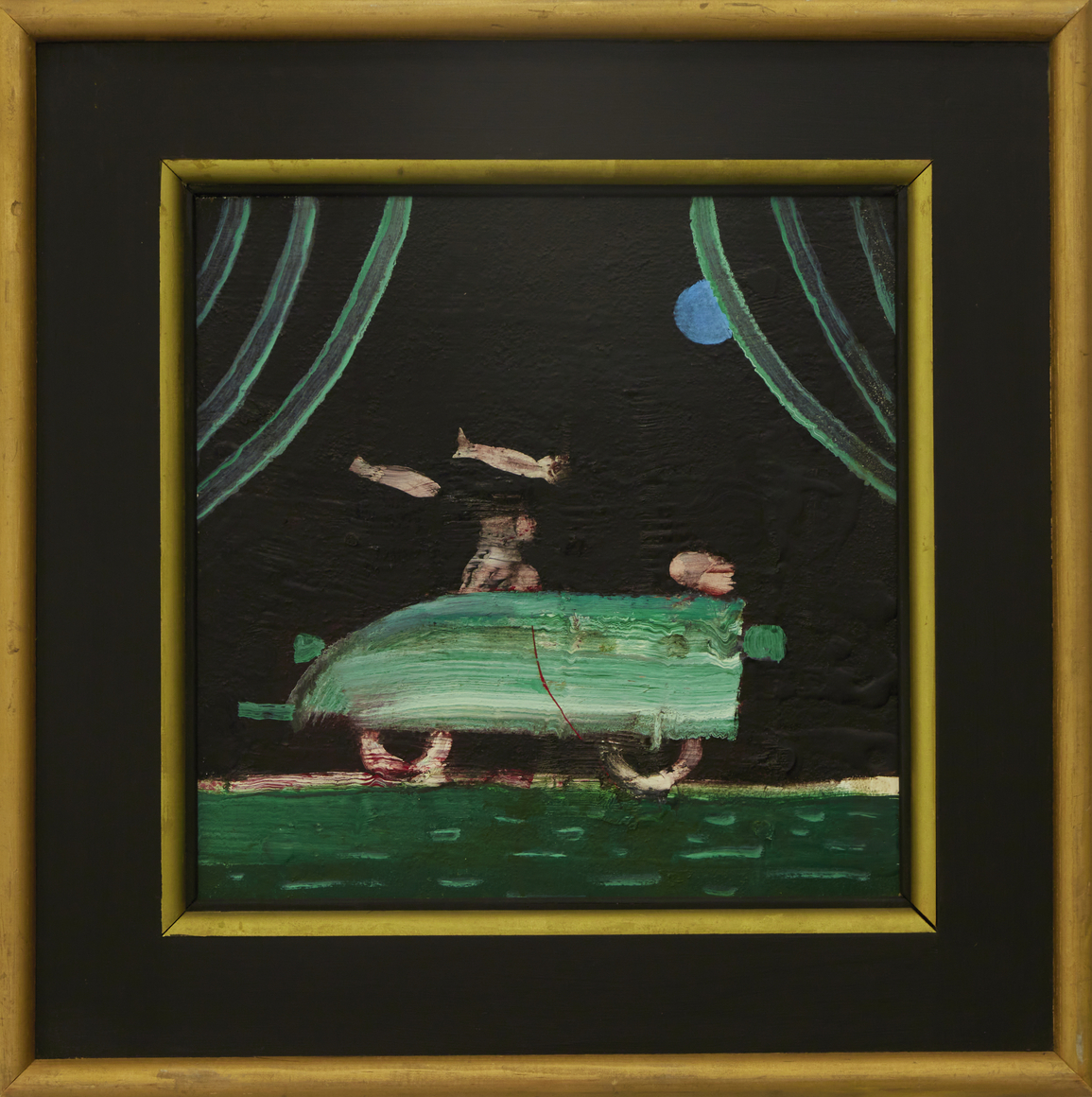
Untitled (Red Carriage)
Oil on masonite
15-1/2" x 16"
SOLD
Robert Hamilton (1917-2004)
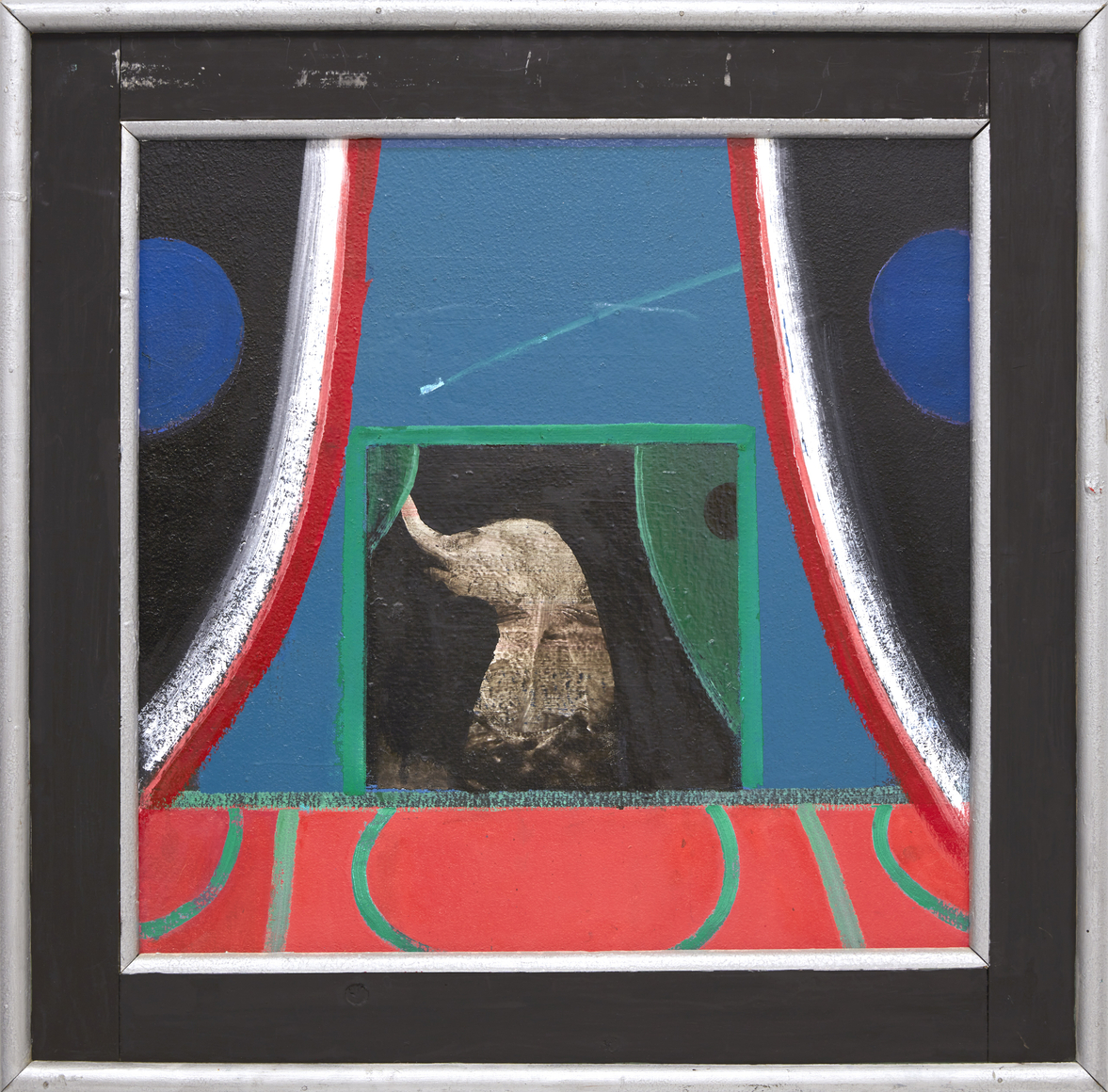
Look Out the Sky is Falling, 1998
Oil on masonite
24" x 24"
Robert Hamilton (1917-2004)
Nu, So It Doesn't Whistle, 1994
Oil on masonite
24" x 24"
SOLD
Robert Hamilton (1917-2004)
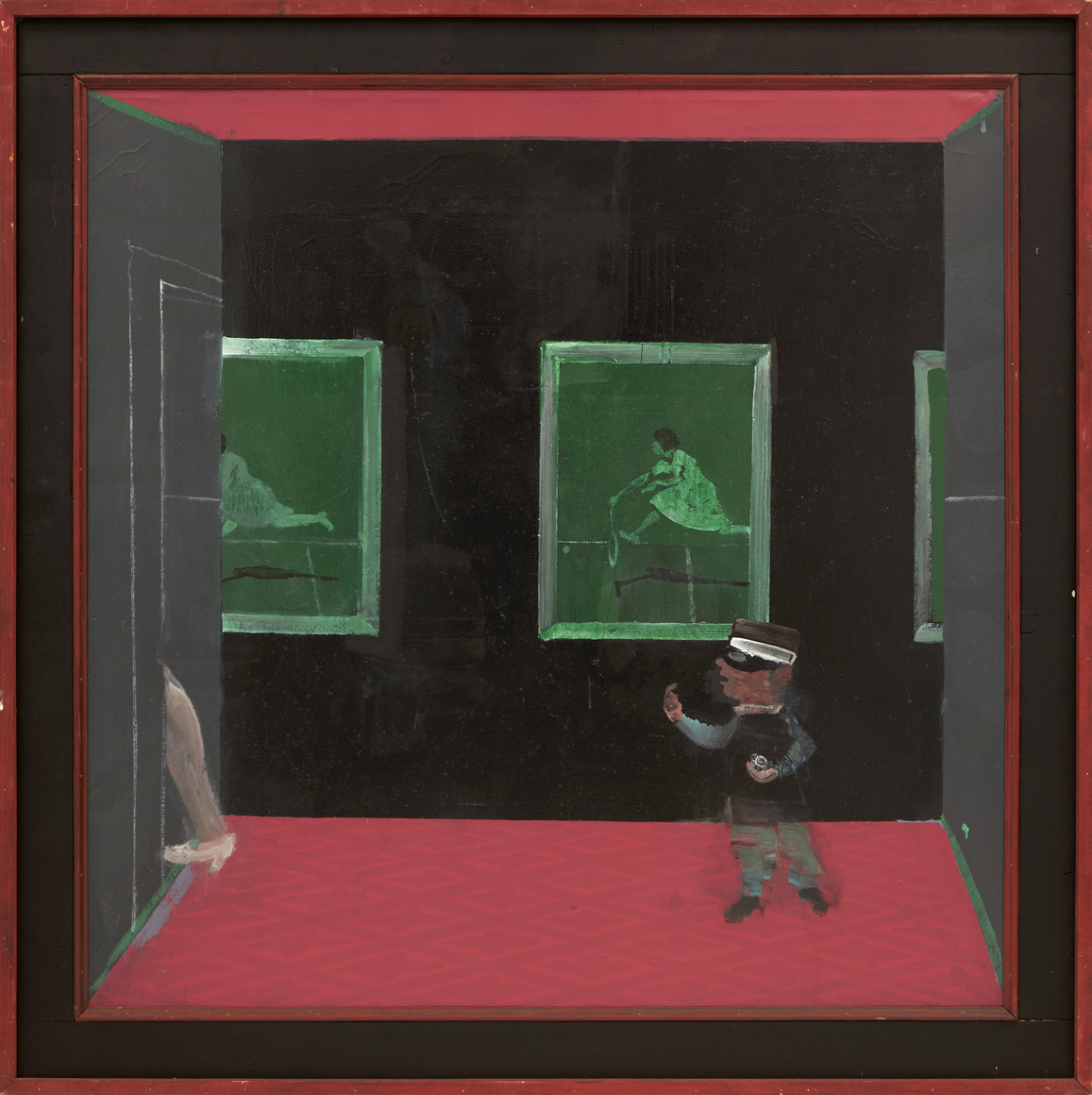
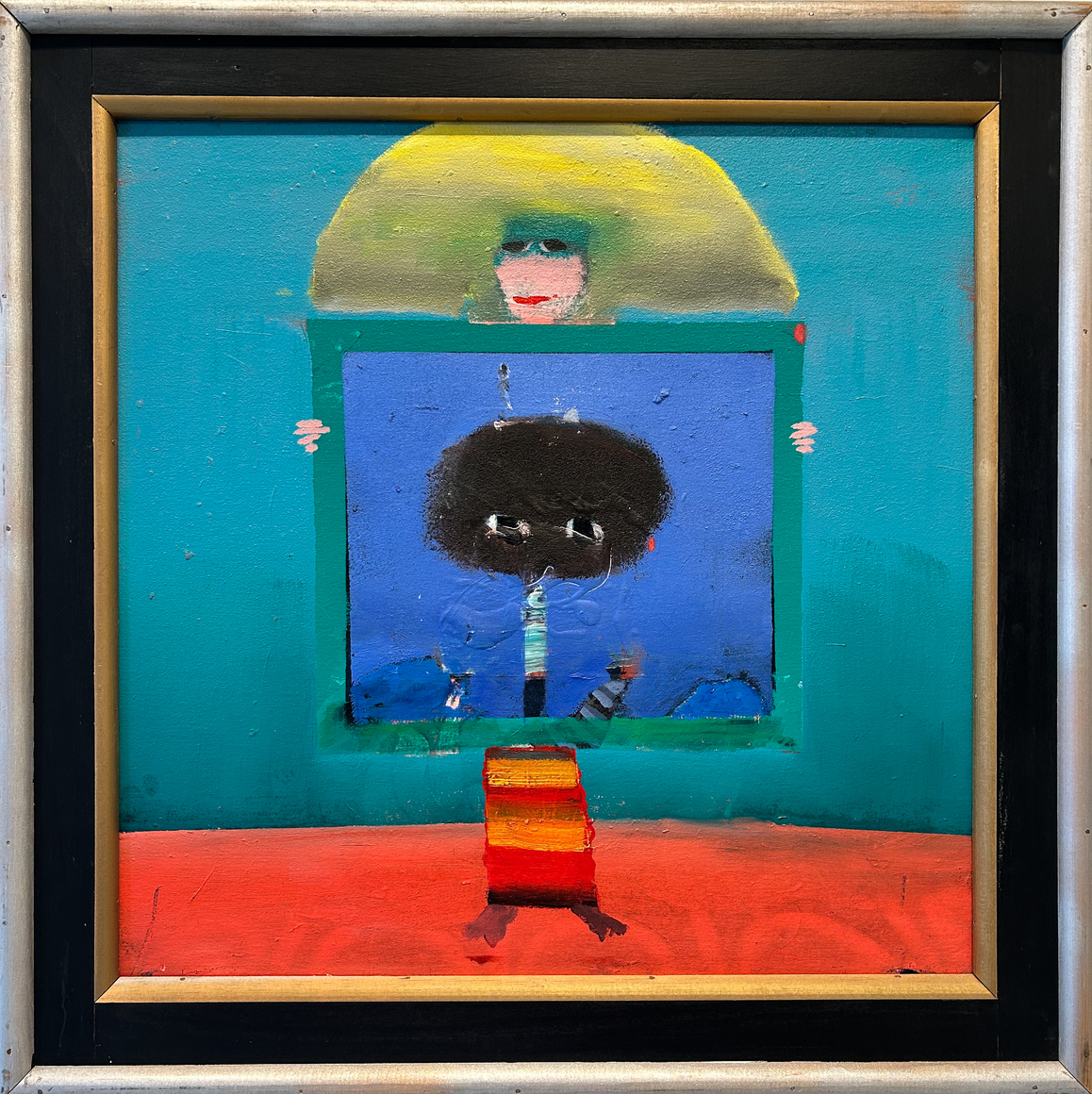
Come Back Sweet Mama (Boy in Museum), 1990
Oil on canvas
50" x 50"
Robert Hamilton (1917-2004)
Revised Blondie, 2003
Oil on masonite
24" x 24"
Robert Hamilton (1917-2004)
Fortune Teller, 1997
Oil on masonite
24" x 24"
SOLD
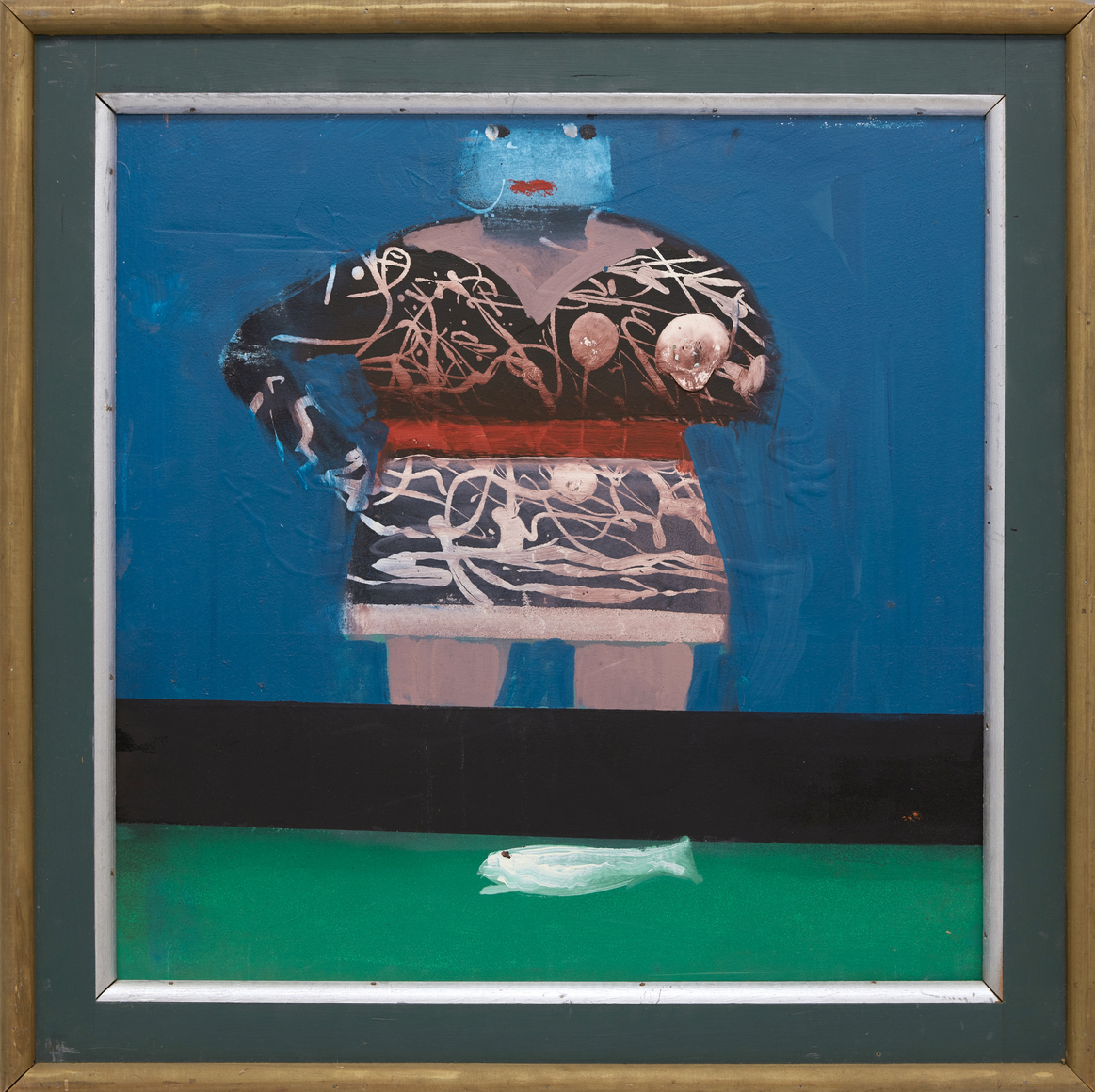
Robert Hamilton (1917-2004)
A Fish in Trouble, 1998
Oil on masonite
24" x 24"
SOLD
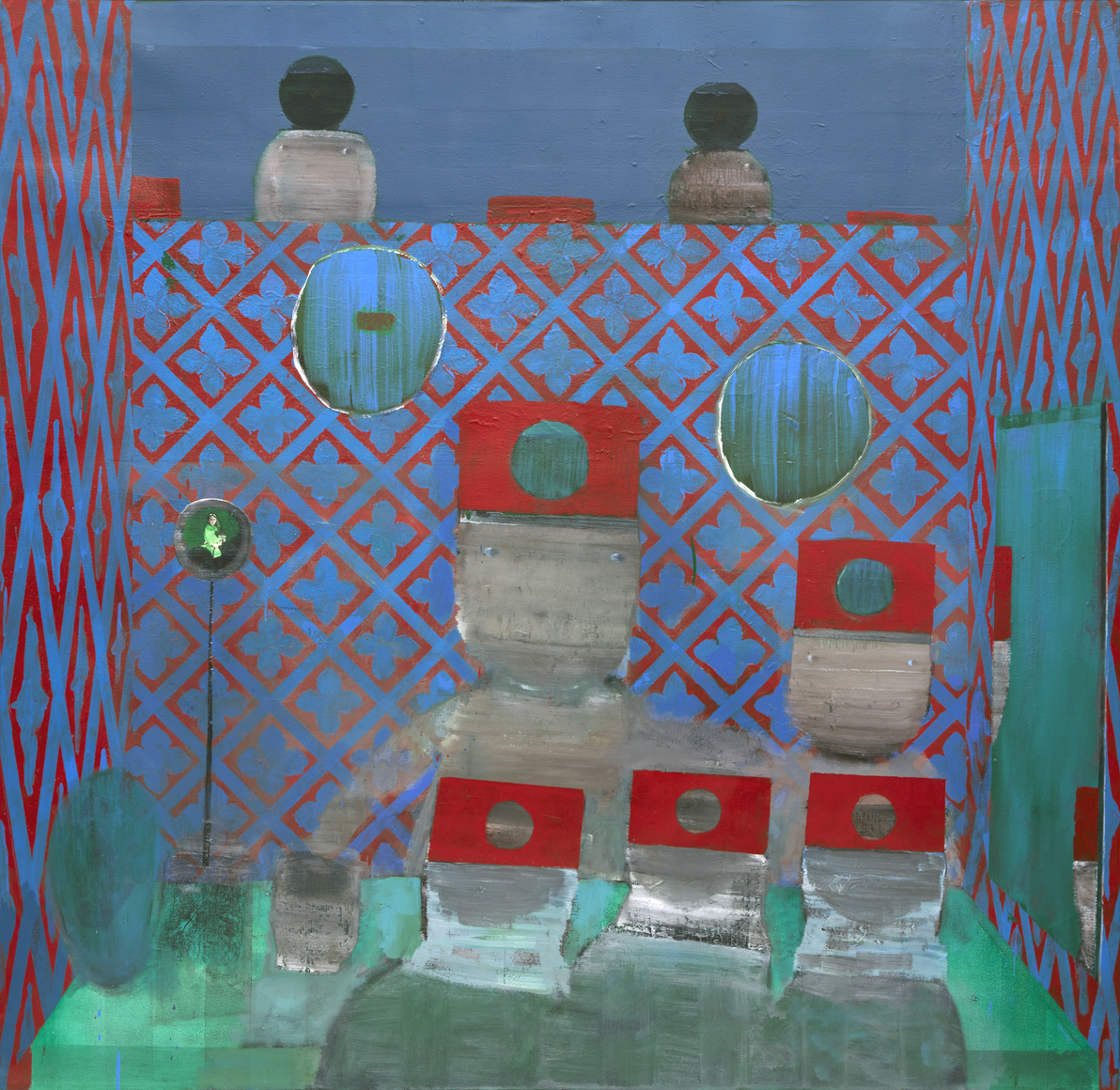
Robert Hamilton (1917-2004)
Father and Son with Wallpaper
Oil on canvas
67" x 69"
Robert Hamilton (1917-2004)
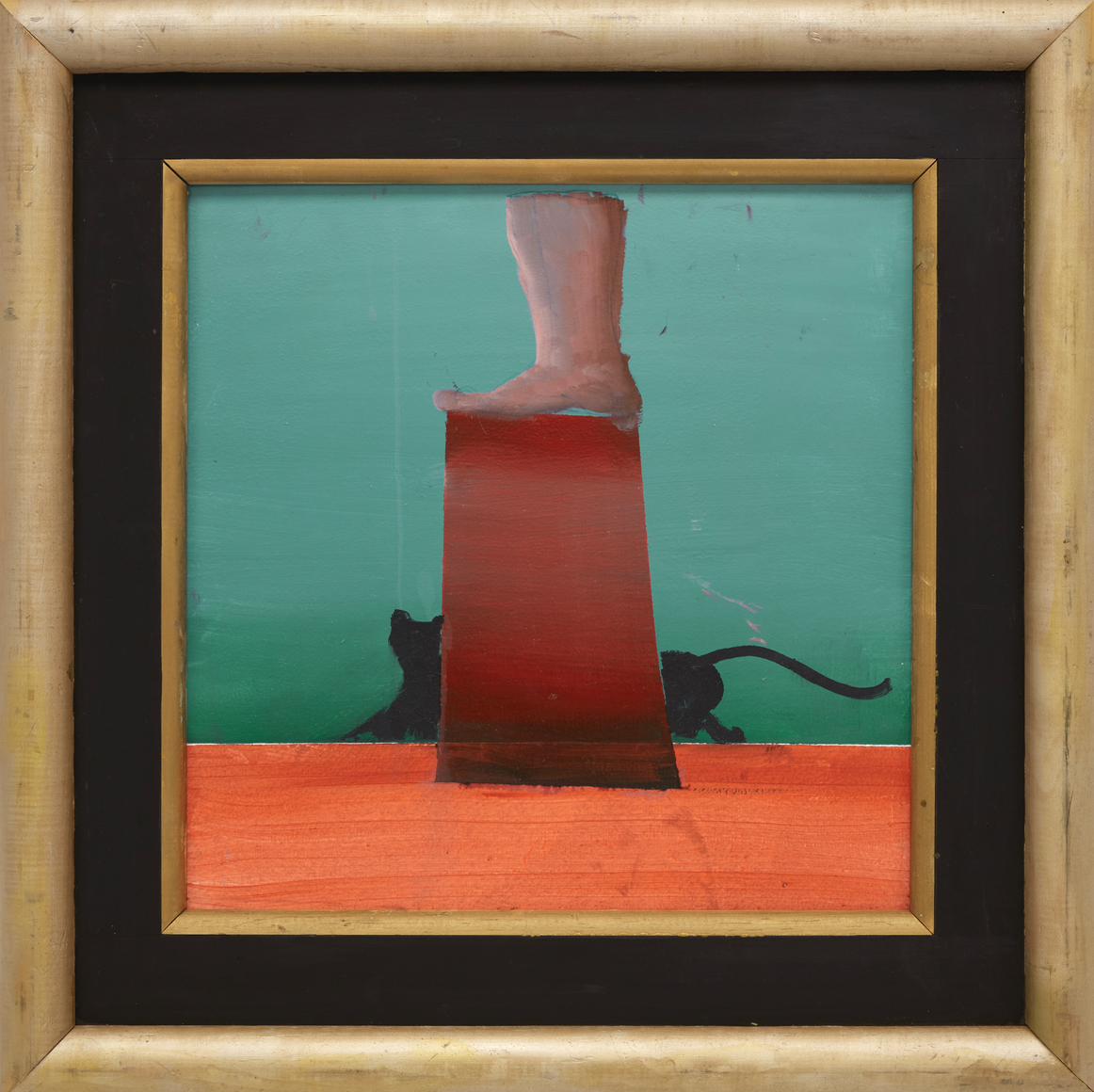
Untitled (Foot and Cat), 2002
Oil on board
16" x 16"
SOLD
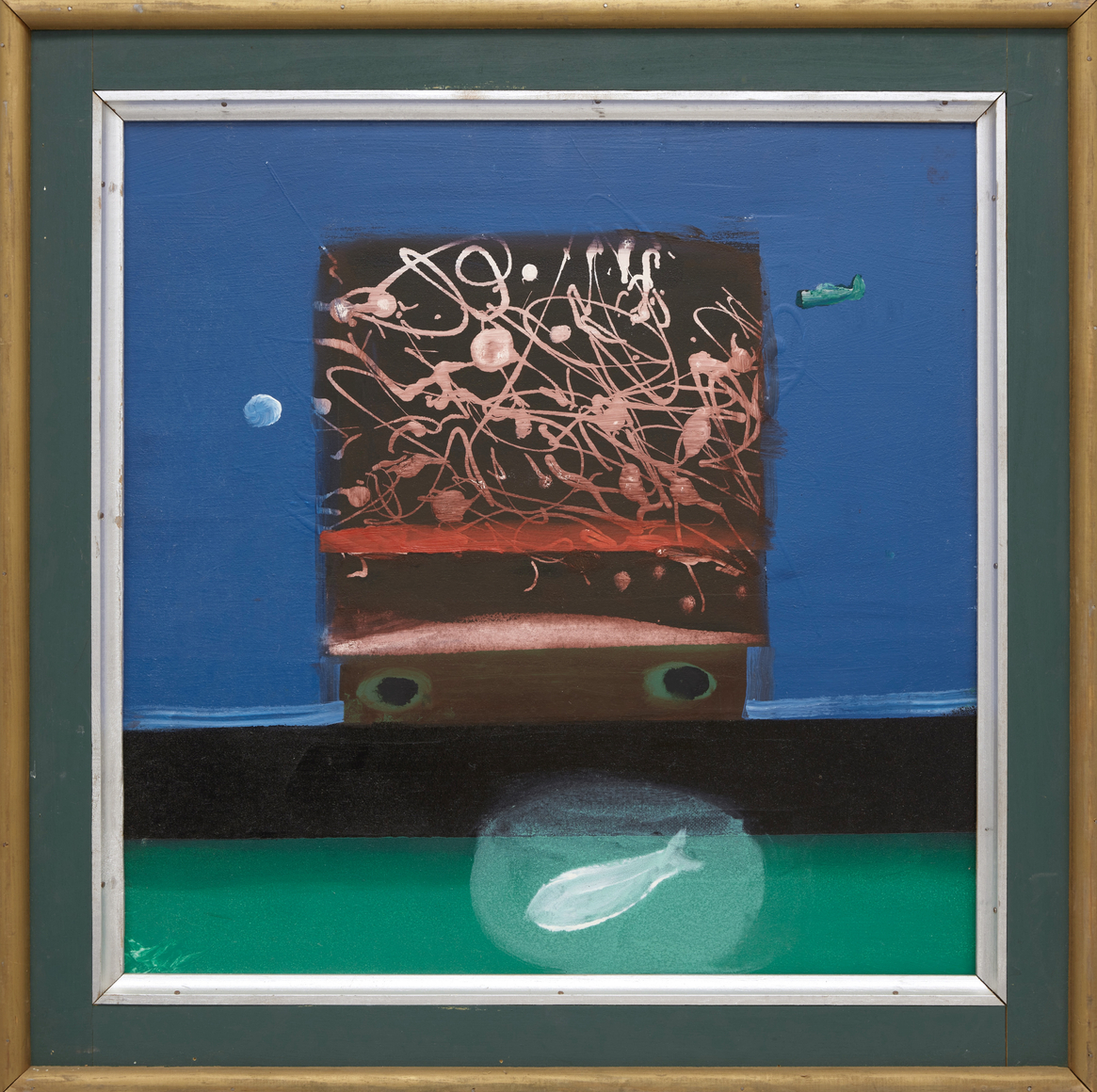
Robert Hamilton (1917-2004)
Fish Bomber II, 1994
Oil on masonite
15-1/2" x 15-1/2"
SOLD
Robert Hamilton (1917-2004)
Adolescence, 1997
Oil on masonite
24" x 24"
Robert Hamilton (1917-2004)
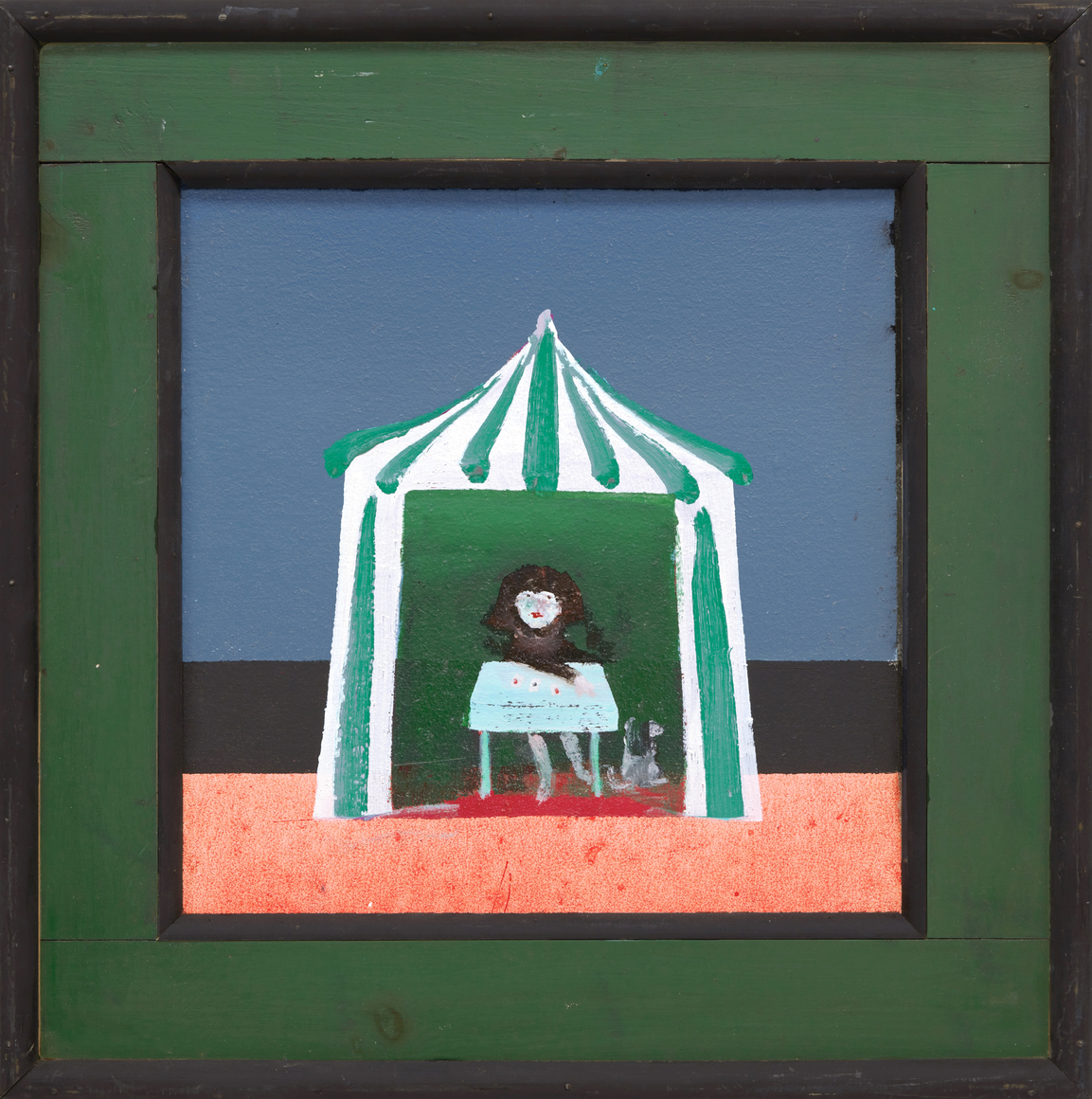
Tarot Card Reader
Oil on masonite
16" x 16"
SOLD
One of the most idiosyncratic and under-recognized artists of post-War American art, Robert Hamilton (1917-2004) taught painting and drawing at the Rhode Island School of Design for thirty-four years. Yvonne Jacquette, Richard Merkin, George Lloyd, and Dean Richardson were some of his many students. For Hamilton, who flew over 100 missions in WW II as a P-47 fighter pilot, earning him the Distinguished Flying Cross, the picture plane was a stage for depicting invented narratives brimming with humor, pathos, and an unquenchable zest for life. His experiences during the war profoundly influenced the imagery in his paintings, which often feature figures from history and from art, bon vivant characters and animals, blithely enjoying life and defying the inevitability of death.
Trained academically at RISD as an undergraduate before the War, Hamilton studied under John Robinson Frazier, whom he called "one great teacher." Frazier, he said, "taught Eakins," and Hamilton's early paintings reveal his adeptness at figurative realism. Returning from Europe after the War, Hamilton was recruited to teach at the college beginning in 1948. Coming of age aesthetically at the height of Abstract Expressionism, Hamilton was keenly aware of the movement and while he embraced its gestural tenets, "I couldn't let go of certain objectives, like a consistent light, and objectives like balance of volumes, balance of form, and negative space." He was drawn instead to the figurative abstraction of Francis Bacon, who was "the truest improvisor in my view." He also admired the work of Max Beckmann, "the absolute top influence," whose paintings taught him "there's nothing in the world that brings color to life like a big whack of black next to it...black is what makes his color so delicious, so juicy, so wonderful."
During the 1950s and 60s, Hamilton exhibited widely at galleries and museums in Rhode Island, Massachusetts, and New York, and in 1974, he was artist-in-residence at the American Academy in Rome. By this time, he had established a particular, individualistic method of painting that he principally followed for the remainder of his career. "...I found a system of putting down a lot of exciting abstract expressionist paint and covering it up with a coat of lamp black, and then, uncovering, and when I uncovered it, after a while, it looked like something." Using the side of his hand as a squeegee, followed by brushes, and sometimes paper towels to imprint a delicate pattern, Hamilton coaxed figures, settings, and action out of the blackness and the recesses of his consciousness.
Theatrical and cinematic in scope, each composition, ranging in scale from 16 inches square to more than six by eight feet, functions as a stage, "a place for something to occur...little pictorial events, little plays." References to art history, popular culture, Jazz, sports, comics, and his war experiences abound. Stalag Luft III, the prisoner-of-war camp that held captured Western Allied air force personnel, and the subject of the film The Great Escape, makes repeated appearances. As does the artist's snub-nosed P47 Thunderbolt, both in its "serious" form, and later, "before I knew it, it was a toy...zipping along a few feet above the ground."
In his characteristic make-do fashion, Hamilton mostly used house paint from the local hardware store, stretching his own canvases or more often working on Masonite panels. He fabricated and painted his own bespoke frames, adding a Baroque, old-world flair to his dreamlike compositions. In the late 1970s, he withdrew from the art world, choosing to exhibit his work primarily at The Octagon, an eight-sided gallery he built on his property in Port Clyde, Maine, where he and his family had spent summers since the 1950s, and where he lived full-time after retiring from RISD in 1981.
"What neither he nor anyone familiar with his work could have predicted was how much his paintings now strongly resonate with the current contemporary art scene, including the work of such interiorizing, untamed, new imagist painters as Amy Bennett, Katherine Bradford, and Peter Doig," wrote Chris Crosman, former director of the Farnsworth Art Museum in 2020. Crosman, who knew Hamilton personally, organized one of the artist’s last institutional exhibitions at the Farnsworth in 1999. Fiercely independent and battling reduced vision from macular degeneration in his later years, Robert Hamilton adopted the motto, "If you're falling off a cliff, you might as well try to fly, you have nothing else to lose—I love that...I'll be passing that on."